

Products
Product Description
Product Introduction
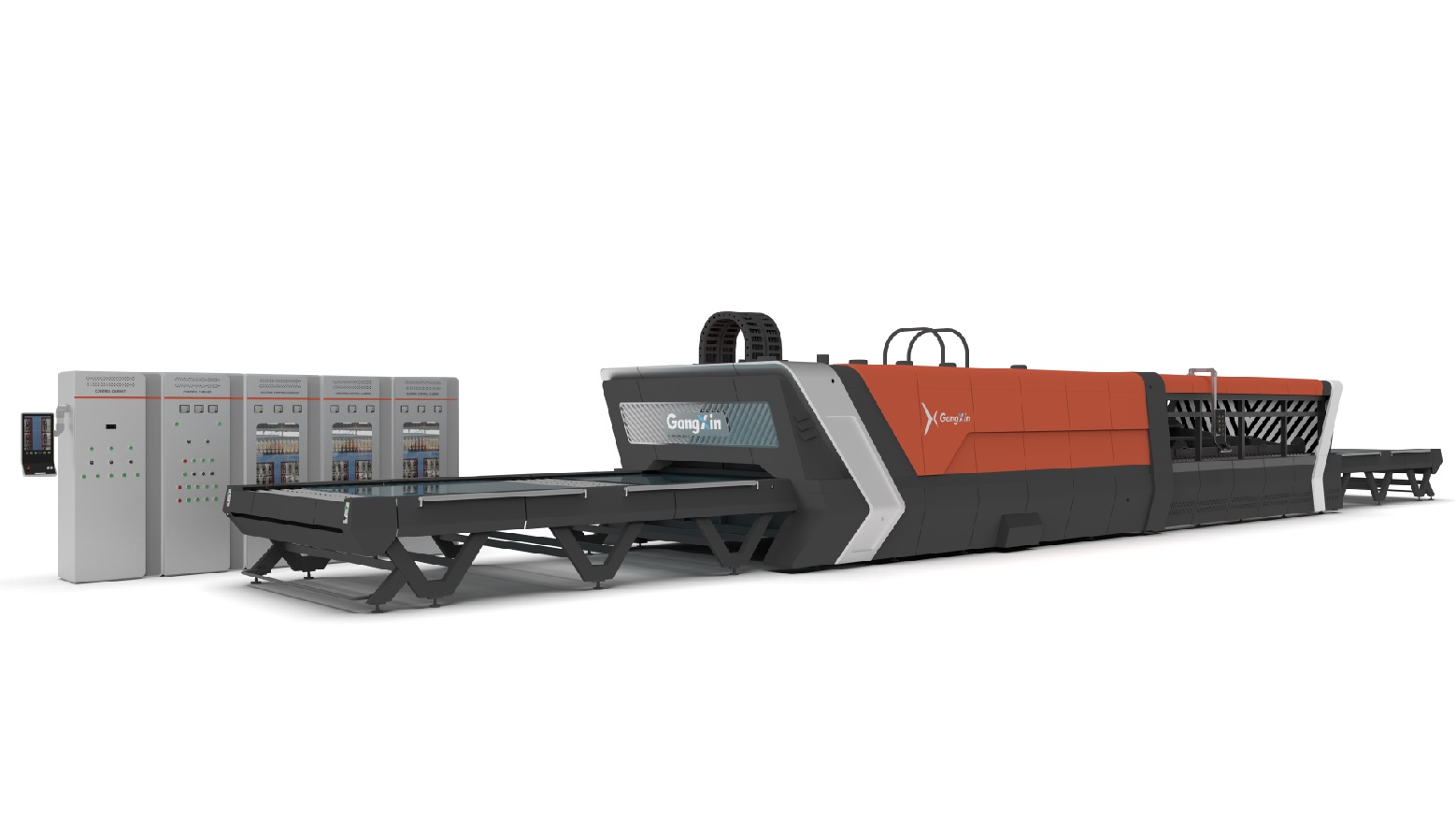
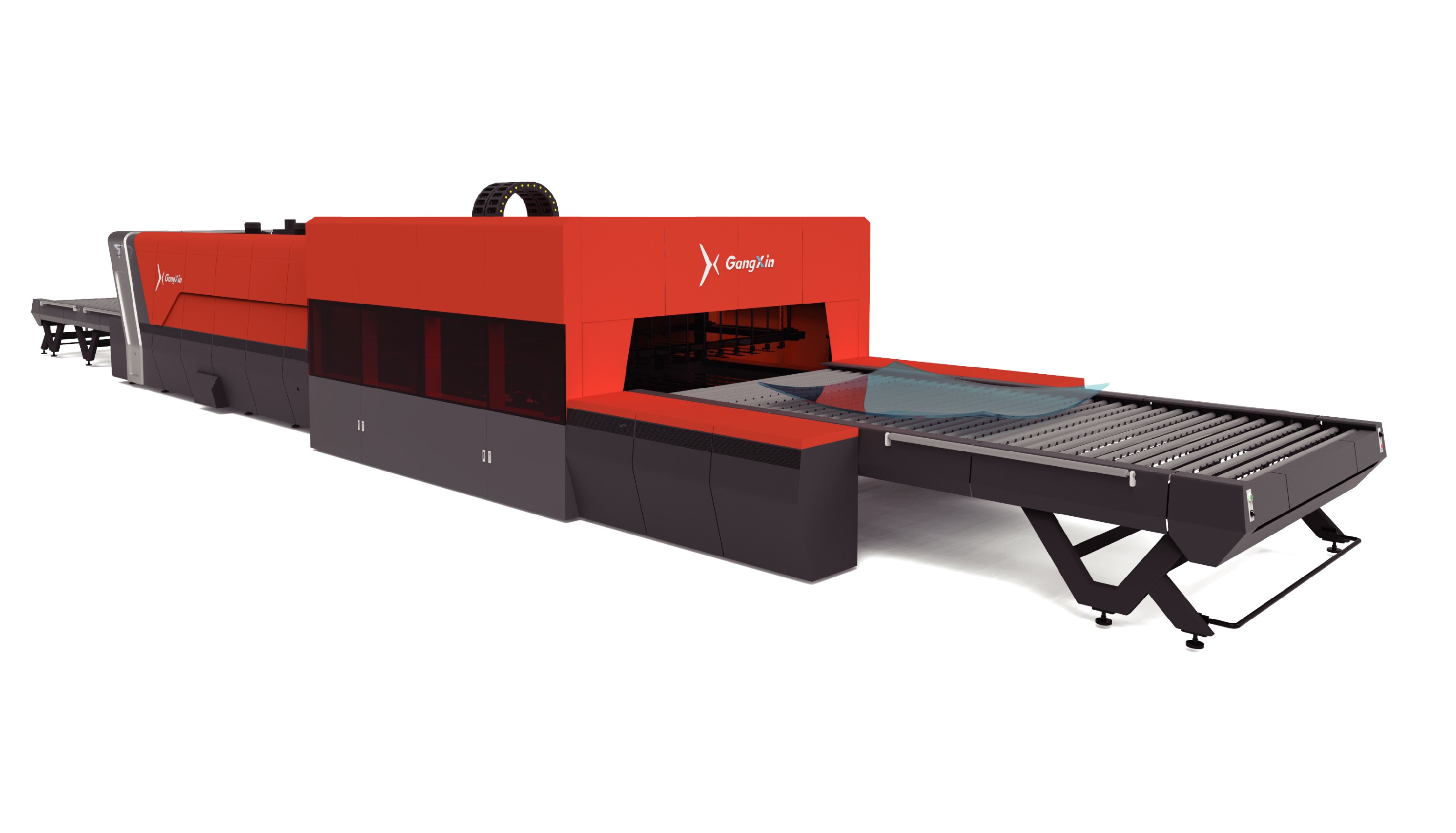
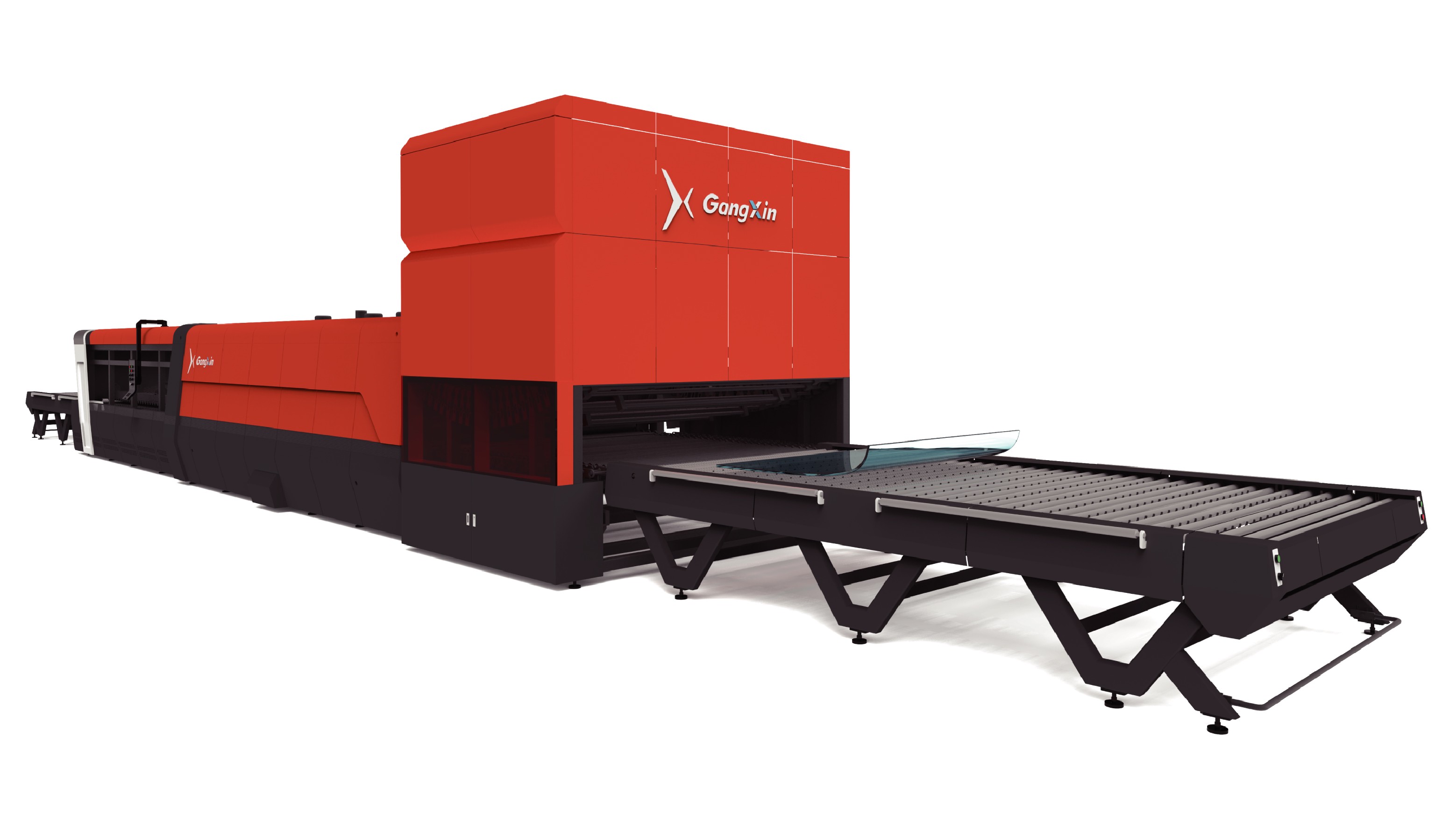
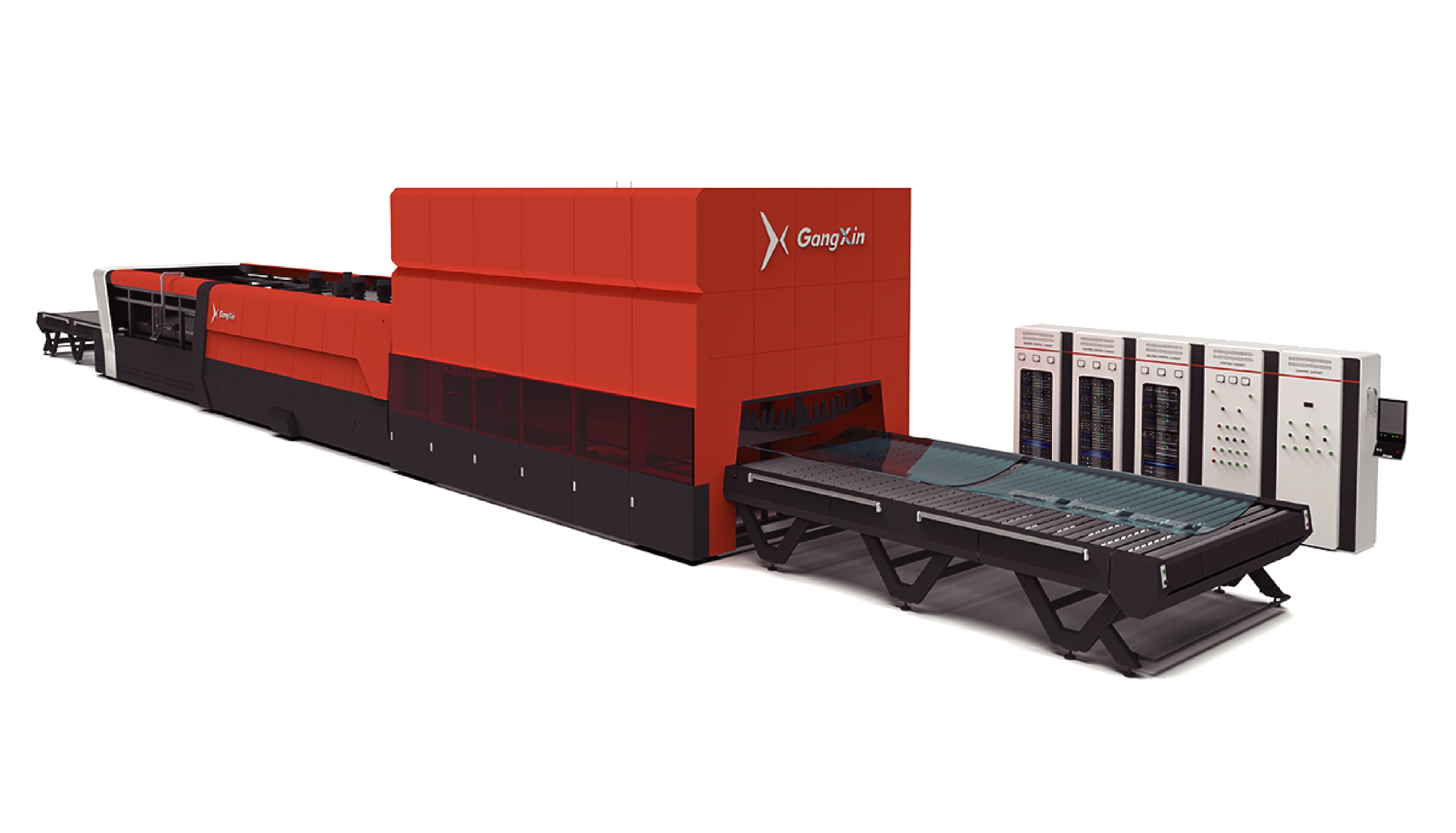
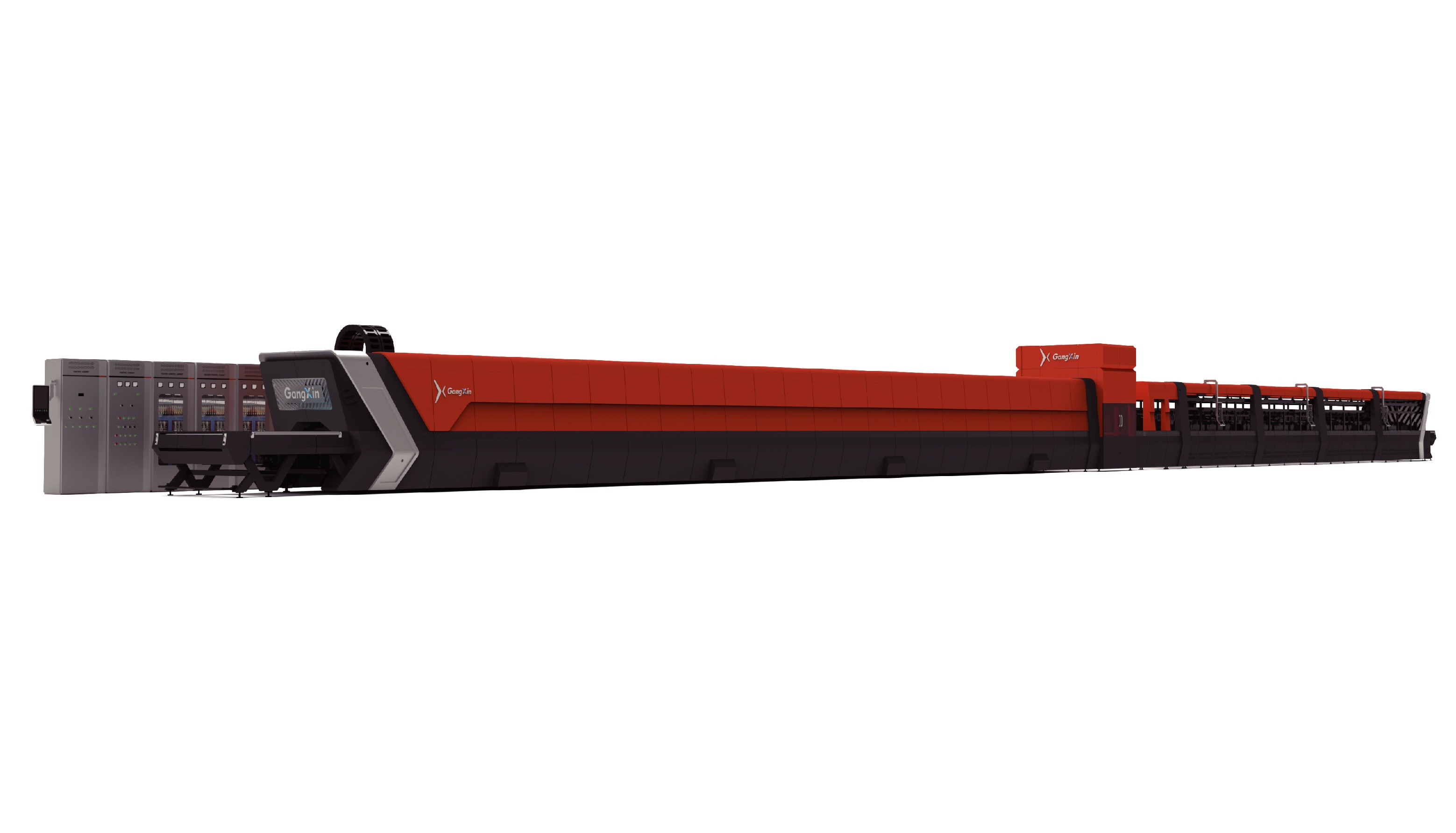
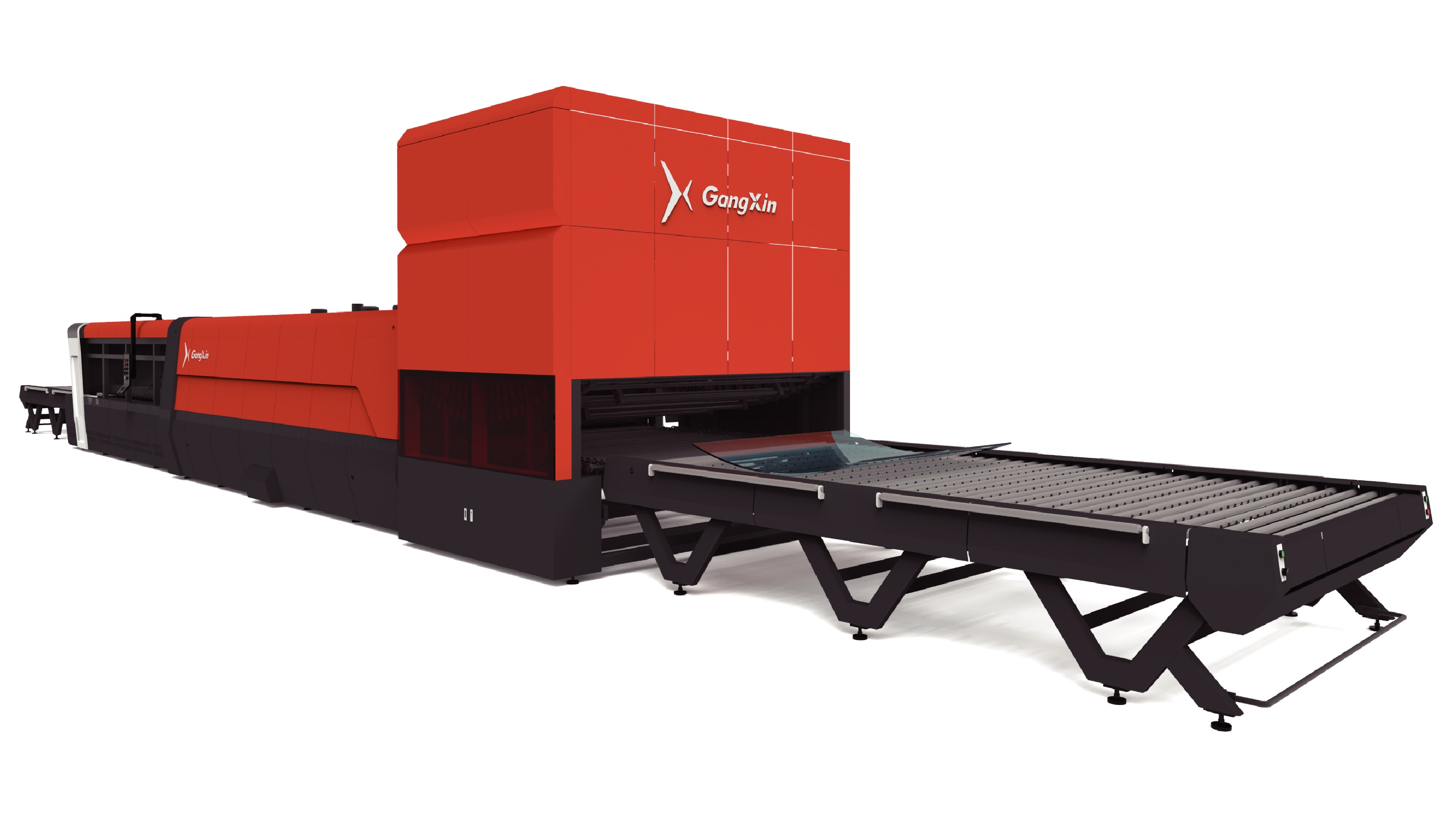
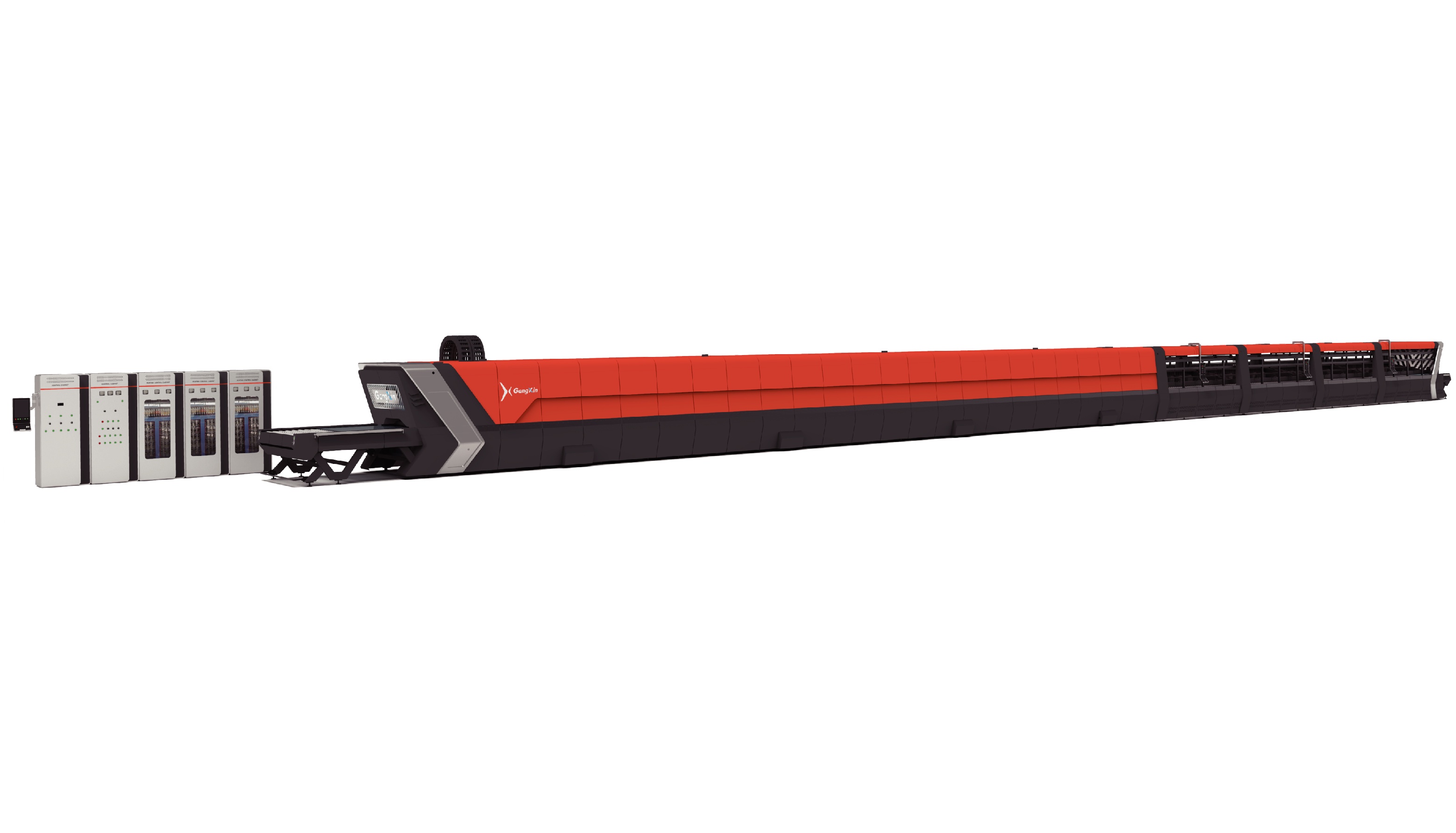
GX-LK &GX-LX Continuous (Forced Convection) Flat Glass Tempering Furnace is built for high-output, industrial flat glass tempering where consistency matters as much as speed. Instead of stop-and-go batch tempering, glass moves continuously through heating and quenching, helping you keep takt time stable and downtime low.
Forced convection heating uses controlled hot-air circulation to improve temperature uniformity—especially important when you temper coated glass like offline Low-E, where radiant heating can struggle. With automated control of temperature, conveyor speed, and quench parameters, you can repeat recipes across shifts and reduce operator dependency.
Technical Characteristics
· Coated-glass capability (offline Low-E): Convection heating addresses the “radiation reflection” issue common with Low-E coatings, improving uniformity and reducing deformation risk.
· High repeatability: Automated control of temperature, speed, and quench settings helps you standardize production across shifts and sites.
· Efficiency mindset: Forced convection is widely described as enabling shorter heating time and potential energy savings compared with radiation furnaces in many use cases.
Application
This continuous line is a strong fit when your buyers demand spec-driven, high-volume safety glass:
· Glass processing plants supplying architectural, curtain wall, and façade tempered glass
· Construction and building material suppliers producing high-strength panels for windows and structural glazing
· Industrial equipment manufacturers needing consistent protective panels and machine guarding
· Technical trading companies / distributors supporting multiple factories with stable, repeatable recipes and predictable throughput
Forced convection is especially valuable when your product mix includes coated glass like offline Low-E, where uniform heating is critical for optical quality.
Features & Advantages
True continuous workflow for industrial rhythm
You keep glass moving from heating to quench, which helps stabilize throughput and reduce manual handling time versus batch processing.
Forced convection heating for coated & functional glass
Hot-air convection improves heat transfer uniformity, which is a big deal for offline Low-E coatings that can reflect radiant heat and cause uneven temperature rise.
Better optical quality and flatness control
More uniform heating + controlled quench helps reduce distortion risk and improves visual performance (important for façade glass, display panels, and appliance glass).
Higher efficiency potential vs radiation-only tempering
Industry sources describe output gains and energy savings potential for forced convection (often tied to lower effective furnace temperature and faster heating).
Automation-friendly operation
Recipe-based controls (temperature, speed, quench pressure) help you repeat quality across shifts and plants—useful for multi-language, spec-driven teams and distributors supporting multiple end-users.
Technical Parameters
Notes: Productivity is caleulated based on 80%loading rates of 3.2mm clear glass.
Structure Introduction
· Loading & alignment section: Supports stable entry, positioning, and continuous feeding to match your upstream cutting/edging rhythm.
· Heating chamber (multi-zone): Multiple heating zones help you tune top/bottom balance, edge temperature, and coated-surface behavior (especially for Low-E).
· Forced convection modules: Convection blowers/chambers deliver hot-air circulation to improve uniformity and coated-glass capability.
· Continuous transfer system (rollers/drive): Designed for stable transmission and repeatability at industrial speeds.
· High-pressure quench section: Rapid, uniform cooling builds the stress profile required for tempered safety glass, supporting consistent strength and low variation.
· Control cabinet + HMI/PLC: Centralizes recipe management, alarms, trend monitoring, and parameter control for faster training and fewer human errors.
· Optional inspection / unloading: Helps you integrate downstream QC, stacking, or insulating-glass lines.
Working Principle
In the GX-LK &GX-LX Continuous (Forced Convection) Flat Glass Tempering Furnace, glass enters the heating chamber and is raised toward the tempering temperature using controlled heating zones. Forced convection circulates hot air to reduce temperature gradients—especially helpful for coated glass where radiant heat can be less effective.
Once the glass reaches the target temperature profile, it moves immediately into the continuous quench section.
High-pressure air jets cool the surfaces quickly, locking in surface compression and internal tension to create tempered safety glass. Stable conveyor speed and recipe control keep results consistent across batches.
Why Choose Us
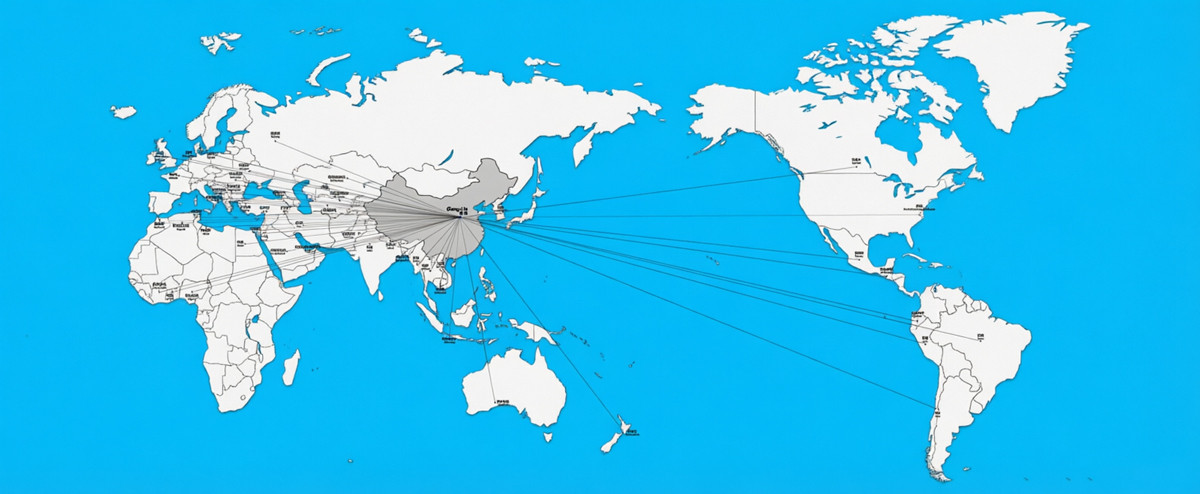
· Established manufacturer (since 2007) with a complete R&D–design–manufacturing–service chain and global deliveries to 50+ countries.
· Supply chain control and component quality focus for mature, stable long-term operation (critical for continuous lines).
· Service you can plan around: one-on-one consultation, installation guidance, 24-hour hotline, lifetime technical support, and on-site support capability.
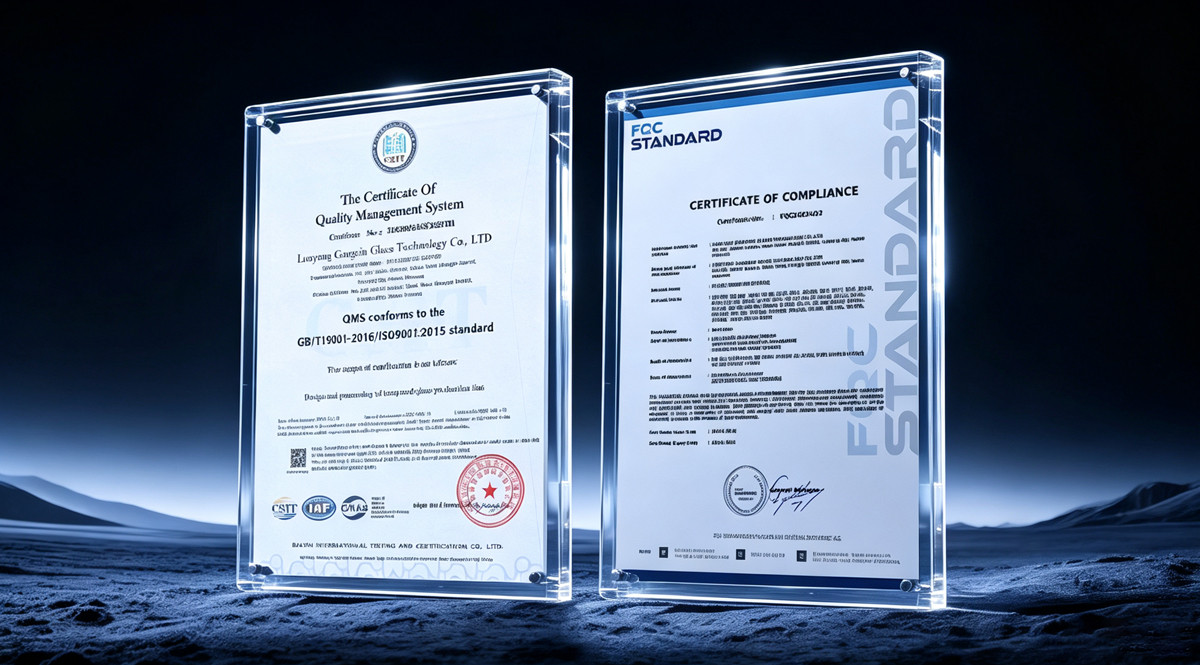
· Certifications: CE, UL, ISO9001:2015 (as provided by you).
Certifications
· Partners & Projects: Available on request (we can share typical region/industry references and line configurations that match your glass size & coating mix).
· Exhibitions: We can provide recent booth photos and show schedules upon request.
· Certificates: CE certification, UL certification, ISO9001:2015 standard (copies available for your compliance file).
FAQ
Q1: Why choose forced convection for Low-E glass?
Low-E coatings can reflect radiant heat, making heating uneven. Forced convection uses hot-air circulation to improve heat transfer and temperature uniformity on coated surfaces.
Q2: What quality results does continuous operation help with?
Continuous movement reduces stop/start variability and supports stable recipes (speed + temperature + quench), which helps consistency across large orders.
Q3: Is the furnace “standard” or custom?
Industrial tempering furnaces are typically configured to your max glass size, thickness range, coating type, and required capacity—so key parameters are customized around your production plan.
Q4: What’s a practical way to confirm capability for my coated glass?
Define your coating type (offline/online), thickness mix, and optical requirements, then run a sample test plan to lock heating/quench recipes before final acceptance.
Contact us
Related Products