

Products
Product Description
Equipment Introduction
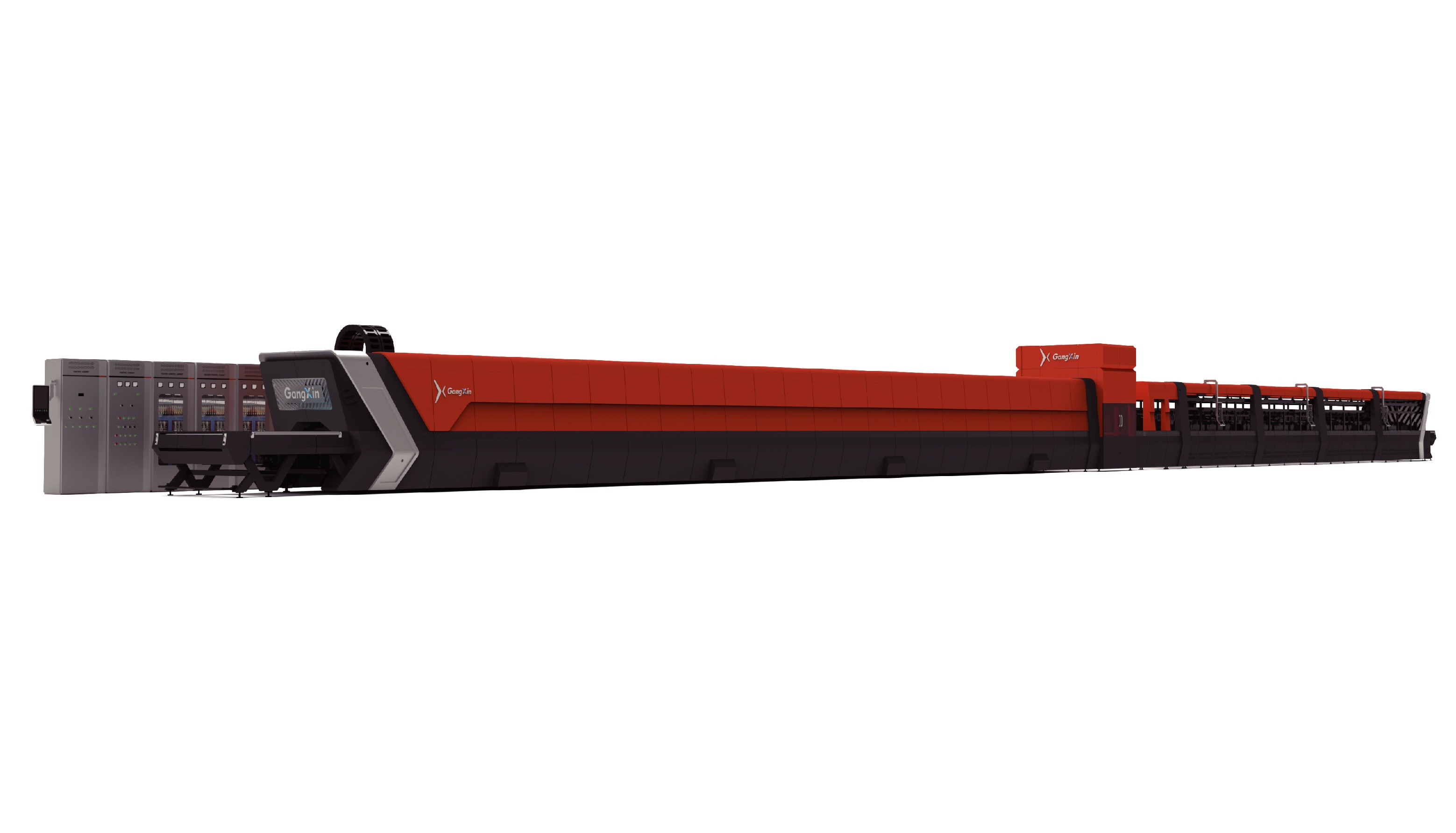
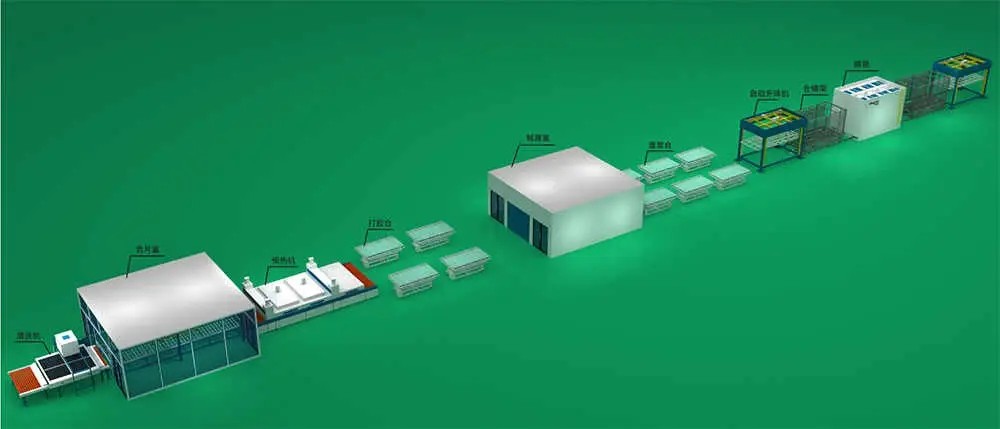
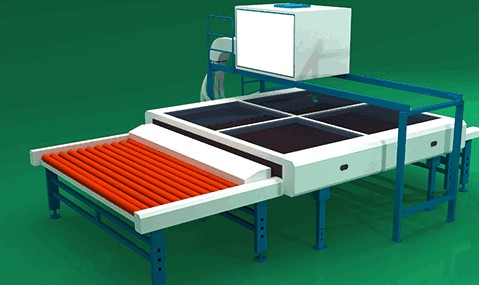
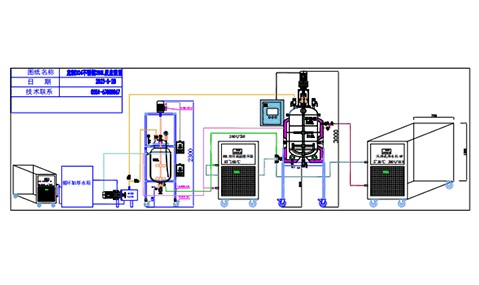
The whole connecting line of nano-silicon laminated fire-resistant glass mainly consists of: Glass cleaning machine→lamination device (client prepare the piece-combining room and air-conditioning)→preheating and pre-pressing machine→two-component gluing machine (includes reactor, temperature control system and vacuum system)→fireproof liquid preparation system (including peristaltic pumps, grouting tables and hot melt glue machines) →grouting system (including peristaltic pump, grouting table and hot melt glue machine)→oven (includes pallet, material rack trolley, automatic loading and unloading device, oven) and several other parts;
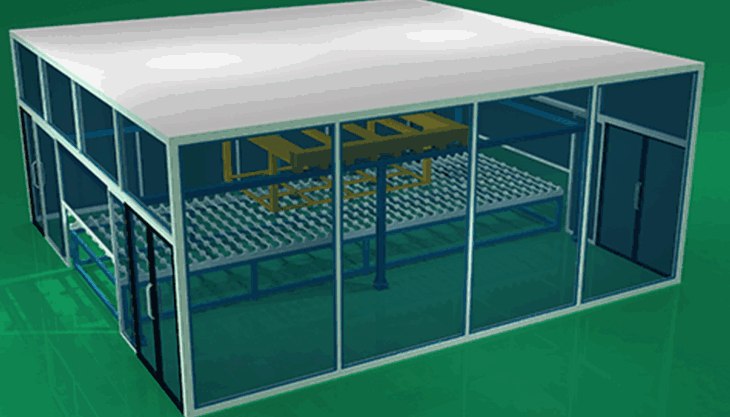
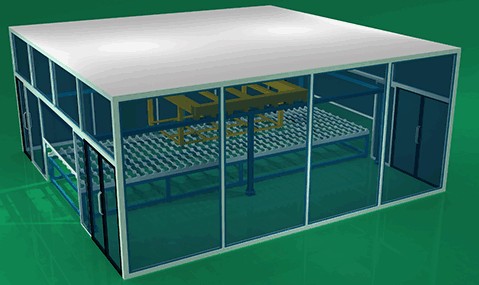
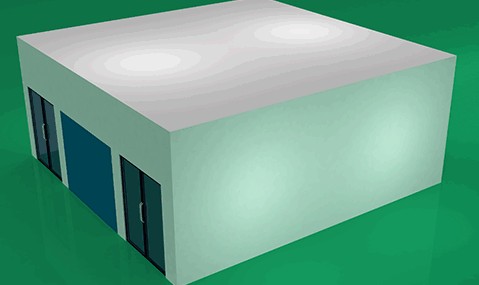
The glass is cleaned by the washing machine to keep the glass surface clean, then the cleaned glass is conveyed to the combining table that is in the middle of the piece-combining room, through the roller conveyor, and the butyl tape is manually laid around the upper surface of the glass for the initial sealing, and the grouting port is reserved. The glass with butyl tape is transported to the positioning position of the laminating room, while the next piece of glass is conveyed to the laminating chamber, the scissor suction cups sucks up the glass and move it to the positioning location, then the sucked glass is put down (the two pieces of glass are aligned) to complete the laminating of two glasses and one cavity.
The glass with single cavity is returned to the middle of the laminating table, and the butyl tape is manually laid around the upper surface of the glass and the grouting port is reserved, then the glass with the butyl tape is transported to the positioning position again, while the third piece of glass is transported to the laminating room, and the scissor suction cup picks up the glass and moves it to the positioning location, then the sucked glass is put down (the three pieces of glass are aligned), and the laminating of three glasses and two cavities is completed, and the laminating of multiple glasses and cavities is carried out in turn.
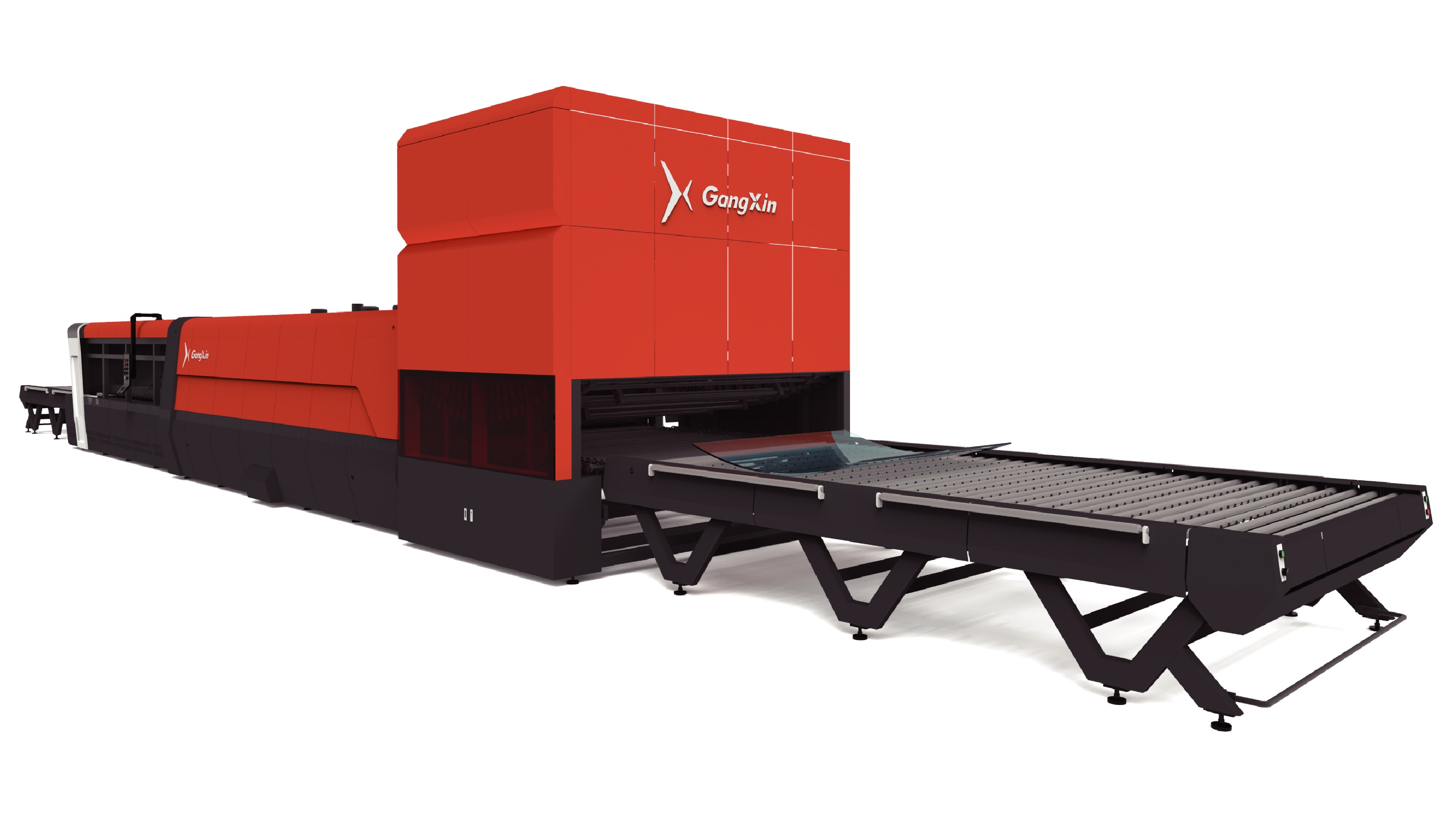
After the completion of lamination, a Teflon pad with diameterφ10 and thickness in line with the required cavity is inserted at the edge of each cavity layer with a spacing of about 300mm, which is used to control the thickness of the cavity. After that, the glass is conveyed to the preheating and pre-pressing machine through the roller conveyor and pressed to the desired thickness. After the completion of pre-pressing, a two-component gluing machine is used to beat the structural adhesive around the facade where the two pieces of glass are combined for the second seal (retaining the grout opening).
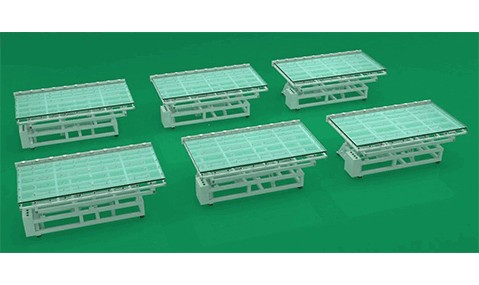
After the structural adhesive is cured, the glass cavity is transferred to the grouting table and the prepared fireproofing liquid is pumped into the cavity through the grouting port using a peristaltic pump. After checking and confirming that there is no air bubbles in the glass cavity, use hot melt glue machine to seal the grouting port, discharge the excess gas in the cavity to fill the whole cavity with fireproof liquid and complete the sealing operation.
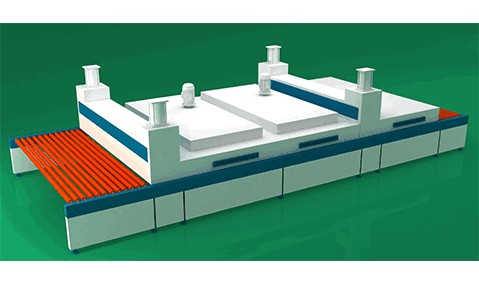
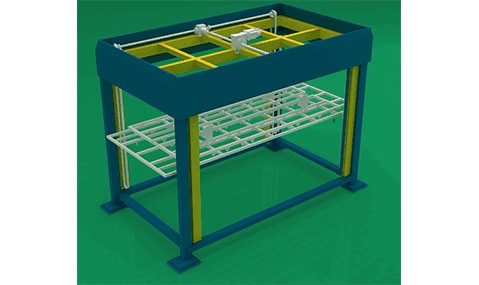
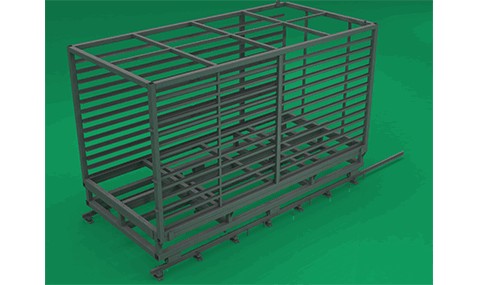
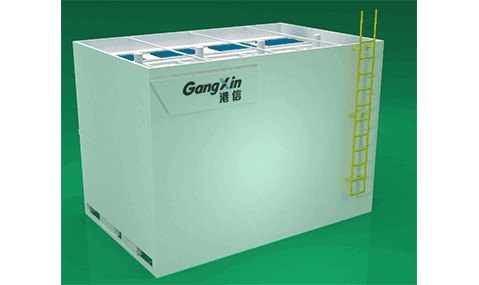
The well sealed glass is slid onto the pallet through the transfer car, and then the pallet with the glass is placed on the mobile trolley layer by layer through the automatic loading system of the oven, after the yardage is completed, the mobile trolley is sent into the oven electrically to bake and cure the semi-finished products of nano-silicone composite fireproof glass, and the nano-silicone composite fireproof glass is taken out through the unloading device after curing and transparent, the finished products of nano-silicone composite fireproof glass are made after the glass surface is cleaned!
Technical Parameters
Equipment Section Introduction
Contact us
Related Products